
Polyaspartic Floor Coatings
in Murray, KY
UV-stable and built to resist abrasion, evaluated for your concrete’s actual condition and the demands you place on the surface.
Your Concrete Floor Shouldn't Be the Weak Point of Your Space
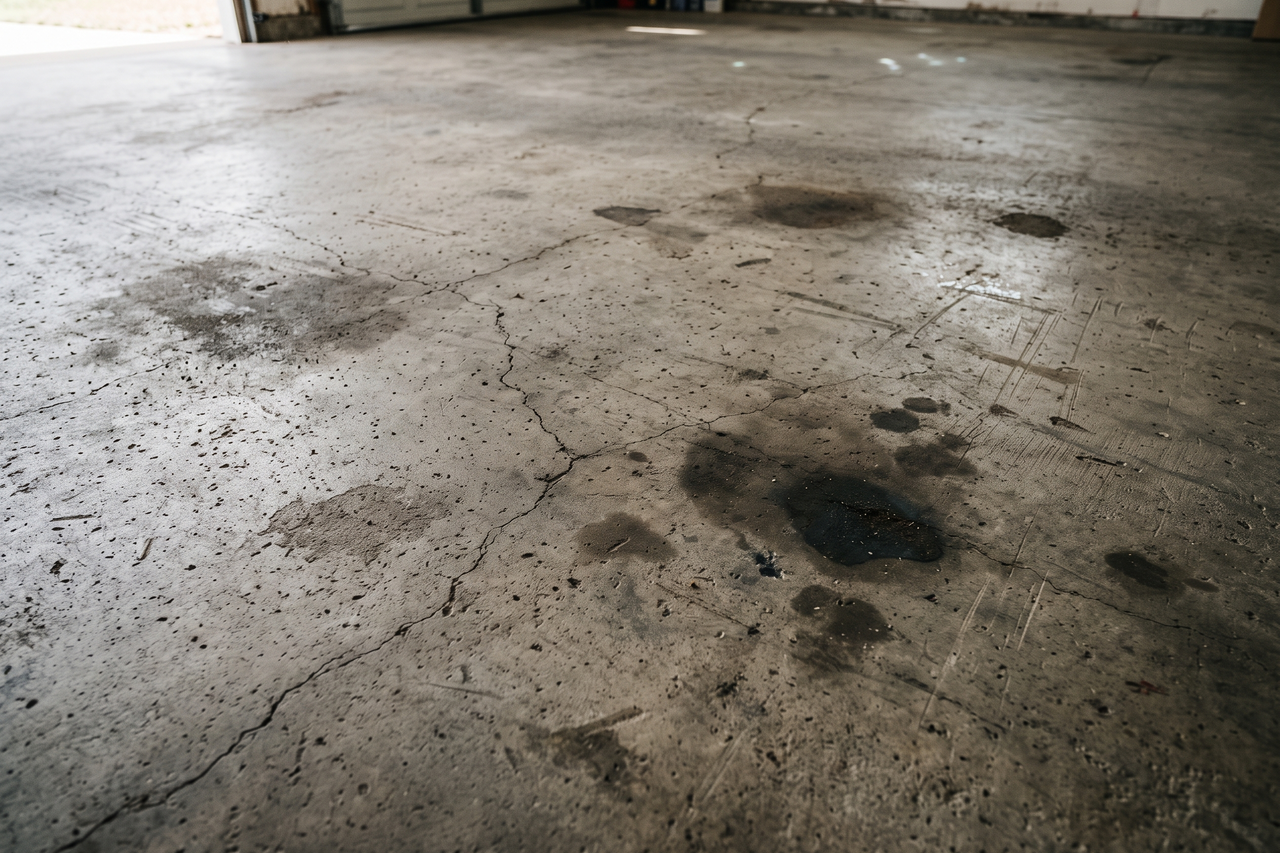
Concrete in an active space takes on a lot without any protection in place. Oil drips and chemical spills work into the surface rather than sitting on top of it, and lifting them gets harder the longer they sit. Repeated foot traffic and vehicle loads wear at the texture gradually, and moisture that migrates upward through a slab can go undetected until a coating begins to separate from the surface. What starts as minor deterioration can develop into a floor that requires more than routine maintenance to address.
Not every coating addresses those problems equally. Some standard epoxy formulations are prone to UV discoloration — surfaces in spaces that receive direct sunlight may develop a dull or yellowed appearance over time, with recoating the entire floor the only practical remedy. Other systems have extended set requirements that can affect how long the space needs to remain cleared before normal activity resumes.
A coating system on active concrete generally makes sense. The more consequential question is which system suits this slab and what the space genuinely requires — that decision shapes how the floor performs over time.
The Right Floor Coating Starts With How You Use the Space
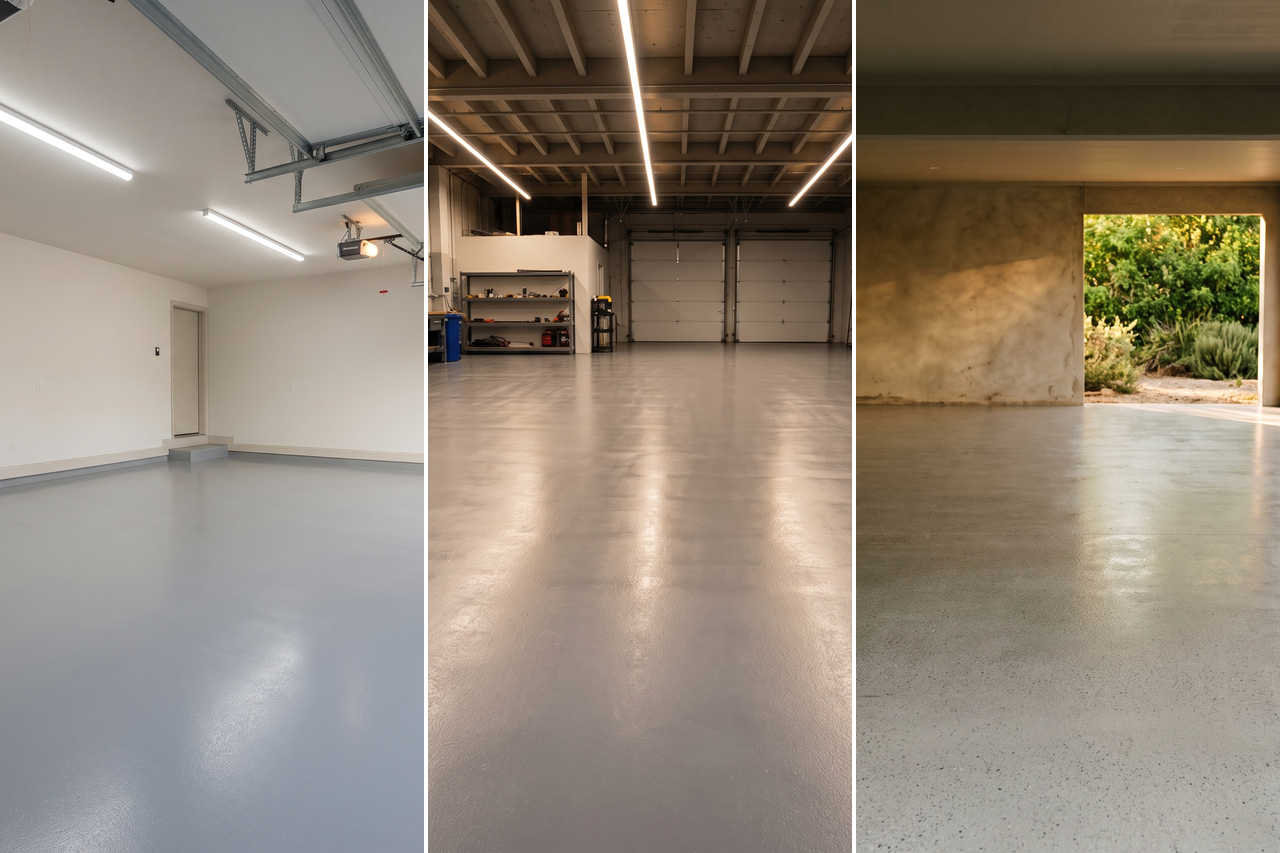
Polyaspartic coatings carry stronger UV stability than many conventional epoxy products, perform well under repeated abrasion, and it generally cures faster than many traditional epoxy systems. Those properties matter most in spaces that receive direct sun, see frequent cleaning demands, or include covered areas where weather regularly contacts the concrete.
Polyaspartic is not the correct choice for every project. How the slab was poured, what the moisture readings show, how the area is put to use, and what the overall budget allows all shape what a contractor recommends. On some slabs, an epoxy base coat beneath a polyaspartic topcoat outperforms either product applied alone — the combination that makes sense depends on what the concrete reveals during evaluation.
The right direction becomes clearer after the contractor looks at the concrete directly. The comparison guide linked below describes how the two coating types perform relative to one another, if working through that context before a conversation is helpful.
A Better Floor Is Easier Than You Think
The path from exposed concrete to a properly protected floor is more structured than most owners expect.
01
Tell Us About Your Space
Share what you know about the floor — where it sits, what condition the surface is in, how the area is typically used, and what matters most to you in the finished result, whether that is UV stability, surface appearance, or grip underfoot.
02
Choose the Right System
Once the contractor has reviewed the slab’s condition, tested for moisture, and considered the wear demands of the space, the recommendation comes together — whether that is polyaspartic throughout, an epoxy base with a polyaspartic finish, or a different system suited to what the concrete presents.
03
Transform Your Floor
Once the system is selected, the contractor manages both the surface preparation and the application itself, and goes through the project plan before starting so each step is clear from the outset.
Ready for a Floor Built to Perform?
What is the floor dealing with, and what do you want the finished surface to accomplish? Tell us about the floor and its condition. We’ll work to connect you with an independent flooring contractor who can review the project and, if it’s a fit, prepare a customized estimate. Photographs of the existing surface give the contractor a clearer picture of what the project involves.
A Great Coating Can't Make Up for Poor Preparation
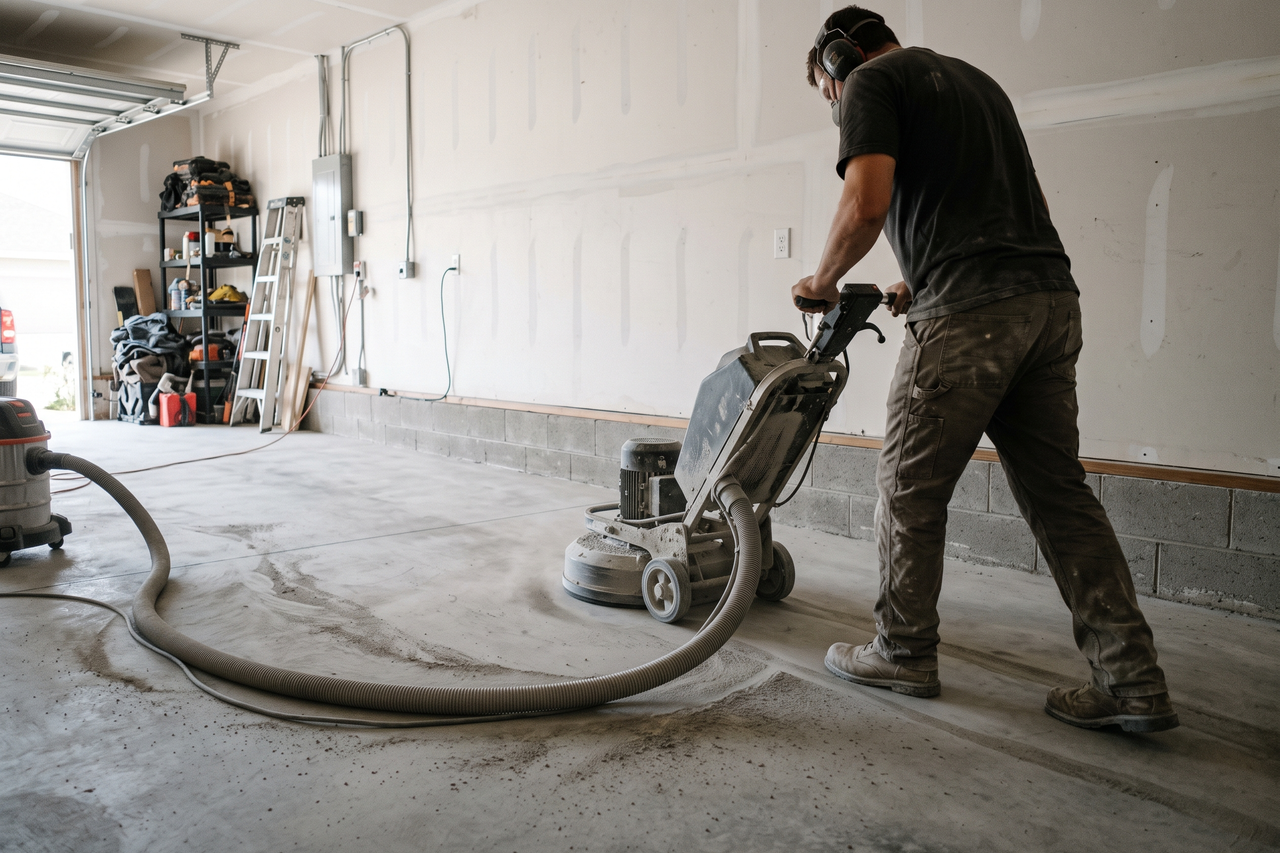
Polyaspartic performs well when it is applied to concrete that has been properly readied for it. Cleaning, mechanical profiling, and moisture assessment are not optional steps — without them, the coating has no sound surface to anchor to and the bond starts from a compromised position.
Because this product generally cures faster than many traditional epoxy systems, limited time remains for adjustment after mixing begins. The concrete needs to be completely ready before work starts — the window for on-the-fly corrections is narrower than with slower-setting products.
Grinding for mechanical profile, addressing cracks, and testing for moisture all help establish a better foundation for long-term performance. When a coating separates ahead of schedule, preparation is often part of the problem, alongside moisture in the slab, the coating product selected, and the conditions on site at the time of application. Working through each of those factors before anything goes down gives the system a genuine opportunity to adhere as designed.
A Floor That Looks Better and Works Harder
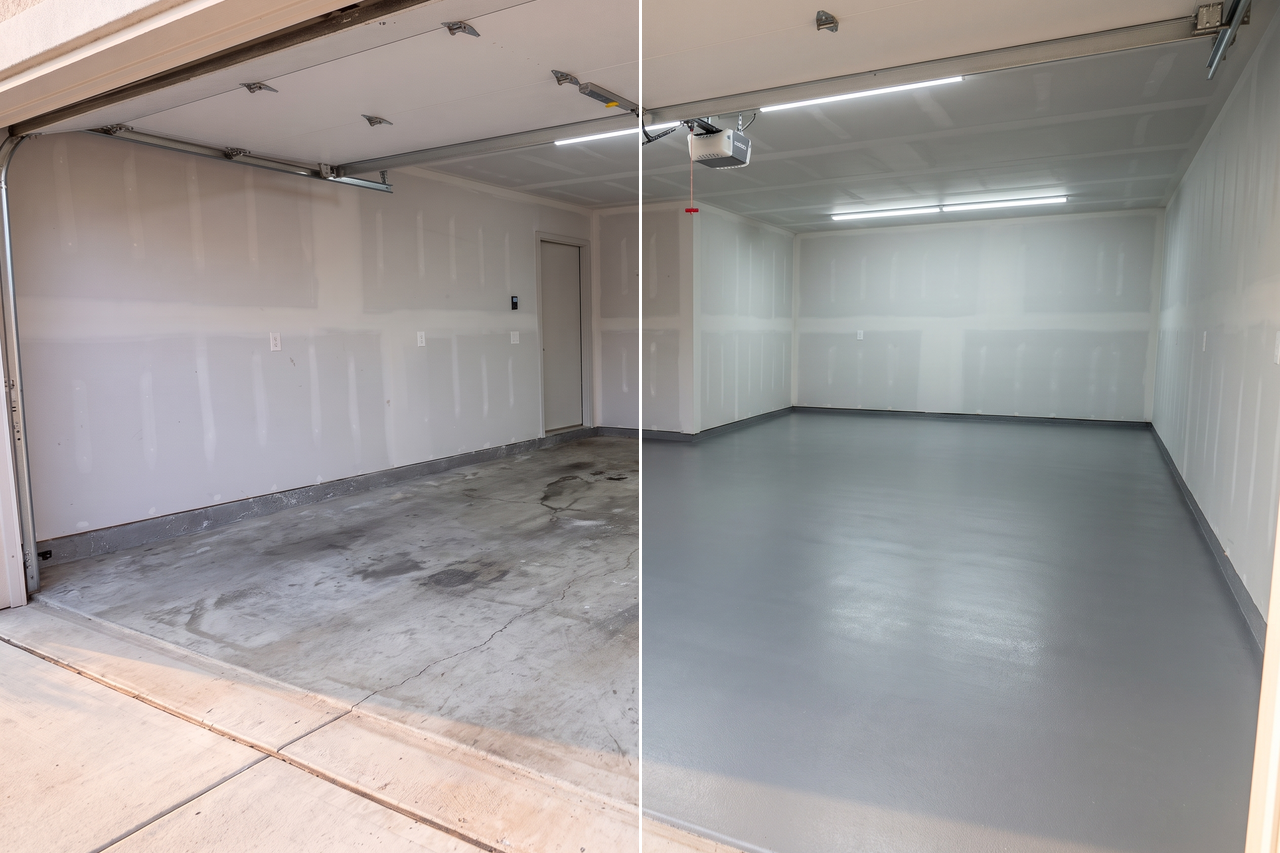
A properly installed polyaspartic coating seals the concrete surface so whatever lands on the floor stays on top rather than working into the slab. Spills, vehicle fluids, and tracked-in debris are easier to clear from a coated surface than from raw concrete.
Decorative broadcast flake introduces texture and color to the finished surface and suits a range of settings from residential garages to light commercial spaces. Where traction is a consideration, anti-slip additives and textured topcoat formulations are available options. The finish selection is shaped by the space’s actual demands and how it gets used, guided by the contractor’s assessment of what is appropriate.
Because it generally cures faster than many traditional epoxy systems, a polyaspartic installation can mean less disruption compared to products with longer set requirements. Timing depends on floor size and condition, preparation and the coating system, and the installer explains it before work begins.
What Do Polyaspartic Floor Coatings Cost?
Cost varies based on slab condition and the extent of preparation required, the number and scope of defects that need repair, whether polyaspartic is used throughout or with an epoxy base coat, the square footage, and the finish selected.
Concrete surfaces vary too much for a meaningful estimate to be put together without seeing the slab. The contractor who has examined the floor — its dimensions, its actual condition, and everything involved in the scope of work — can build pricing that accurately reflects the project.
Common Questions About Polyaspartic Floor Coatings
How does polyaspartic's cure behavior compare to that of a standard epoxy?
It generally cures faster than many traditional epoxy systems — a characteristic that matters in projects where minimizing the time a space is out of normal use is a concern. The actual progression varies by product, coat count, and the temperature and humidity present on site. The contractor goes over what to expect before work gets underway.
Is polyaspartic a better choice than standard epoxy in every situation?
The answer turns on the slab’s condition and how the space functions. Polyaspartic carries stronger UV stability than many standard epoxy products and it generally cures faster than many traditional epoxy systems, but the right recommendation depends on slab condition, use patterns, and budget. Epoxy builds good coating depth and performs reliably in most indoor settings. A layered approach — epoxy as the base for adhesion and build, polyaspartic as the topcoat for UV stability and durability — is common where conditions call for it. The contractor assesses the slab before making a recommendation.
Why does UV resistance matter when choosing a floor coating?
Standard epoxy formulations can develop discoloration when exposed to consistent sunlight — the surface takes on a yellowed or dull cast over time, and restoring it typically means recoating the entire floor. Polyaspartic carries superior UV stability relative to many standard epoxy products, which makes it worth considering for garages and other spaces where the floor receives direct or strong indirect sun. Results vary by product and actual light exposure, so a contractor who has seen the space can advise on whether UV stability is a primary concern for that application.
Can polyaspartic work on a patio or similar outdoor surface?
It may, depending on the specifics. Covered patios, carports, and similar sheltered areas may be suitable candidates. Polyaspartic’s resistance to UV exposure and its abrasion performance make those surfaces worth considering — but whether a specific slab qualifies depends on the concrete’s condition, how the area drains, the degree of weather and sun exposure, and what the surface will be asked to handle. An evaluation of the actual slab is needed before any recommendation can be made.
Does a glossy polyaspartic finish become slippery when wet?
A smooth, glossy surface can reduce traction when it is wet. Broadcasted flake adds texture that helps with grip, and textured topcoat formulations and anti-slip additives are also available options. Traction requirements are worth raising with the contractor during the planning stage so the right approach can be factored into the specification.